
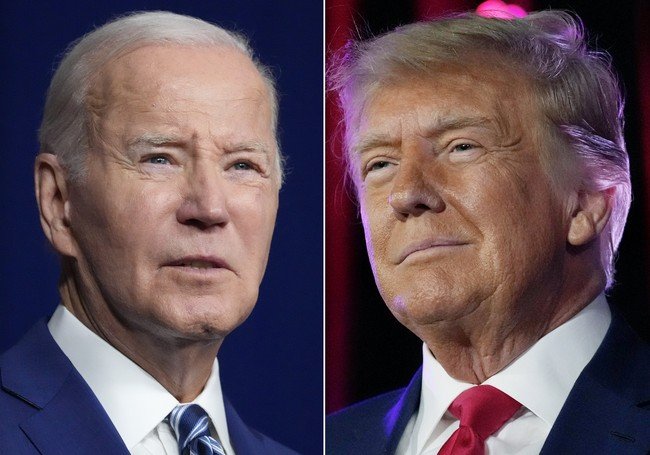
media bias and Trump is one of those topics that gets noisy fast. This guide keeps it plain: what it means, why conservatives care, and what readers should watch next.
Watch the Frame
Media bias is not always a fake quote or an obvious lie. A lot of the time, it is the frame. Which facts go first? Which facts disappear? Which expert gets treated as neutral? Which question is asked five times, and which question is never asked at all?
Trump coverage is a good place to study this because the tone is often intense before the facts are complete. A story can be technically accurate and still leave readers with a crooked picture if the important context is missing.
Look for Missing Comparisons
One simple trick is to ask how the same outlet covered a similar Democrat. If a Trump action is called a crisis, did the outlet use the same language when a Democrat did something close to it? If not, why not?
This does not mean every comparison is perfect. Politics is messy. But consistent standards matter. A newsroom that changes the moral temperature based on party is doing advocacy, even if the article looks polished.
Separate Facts From Mood
Good readers learn to separate facts from mood. The fact may be that Trump signed an order, made a statement, endorsed a candidate, or criticized an agency. The mood may be outrage, fear, relief, or mockery. The mood is not proof.
Ask what can be checked. Read the direct quote. Look for the document. Notice whether the headline adds drama the article cannot support.
Why It Matters
Media bias matters because it shapes what busy people think happened. Most voters do not read full bills or watch entire hearings. They catch headlines, clips, and summaries. If those summaries are bent, public opinion gets bent too.
That is why media accountability should be a normal part of political coverage. Journalists have power. Power should be questioned, even when it belongs to people with press badges.
Bottom Line
Do not read Trump coverage with your guard down. Check the frame, check the comparison, check the quote, and check what got left out. You do not have to hate the press to demand better from it.
Reader Checklist
- Look for the decision-maker, not just the loudest reaction.
- Separate confirmed facts from opinion and campaign spin.
- Ask who benefits if the public stays confused.
- Watch what changes after the headline fades.
Why This Stays Relevant
media bias and Trump keeps coming back because it connects policy to daily life. The details may change from one news cycle to the next, but the test stays the same. Does the policy make the country stronger, safer, freer, and more honest with its own citizens?
That is the standard TruthTent uses in these guides. We are not trying to bury readers in jargon. We are trying to make the fight understandable enough that normal people can follow it and push back when the story gets twisted.
How Readers Can Use This
A good way to read any political story is to slow down for one minute and ask what is being measured. Is the story about a law, a court order, a campaign promise, a budget number, or a public statement? Once you know that, the noise gets easier to sort.
Also ask what would count as proof. A serious claim should be backed by a document, a vote, a direct quote, a public record, or a result people can see. That standard protects readers from lazy spin, even when the spin comes from their own side.
For TruthTent readers, the point of a guide like this is not to memorize talking points. It is to understand media bias and Trump well enough to spot weak arguments, ask better questions, and follow the next headline with more confidence.
Questions Worth Asking
Before sharing a story on this topic, ask whether the article names the person or office responsible for the decision. Politics gets blurry when responsibility is spread across a crowd. A useful report should help readers see who acted, who objected, and who has the power to change the result.
Next, ask whether the article gives enough timeline. Dates matter. A claim made before a vote, after a court ruling, or during a campaign push can mean different things. A clear timeline helps readers avoid falling for a headline that leaves out the most important sequence of events.
Finally, ask what a normal citizen is supposed to do with the information. Some stories are worth tracking because they affect votes, laws, prices, safety, schools, or speech. Other stories are mostly noise. The trick is knowing the difference before the next outrage cycle starts.
A Common Mistake
The common mistake is treating every political story like a team sport box score. One side cheers, the other side complains, and the reader is left with almost nothing useful. That is not enough. A better article should help people understand the rule, the decision, the tradeoff, and the likely next move.
That matters because most political fights do not end when the first headline appears. They move into lawsuits, agency rules, campaign ads, committee votes, state action, or budget language. Readers who know the basics can follow that next stage without being pushed around by whatever phrase is trending that hour.