
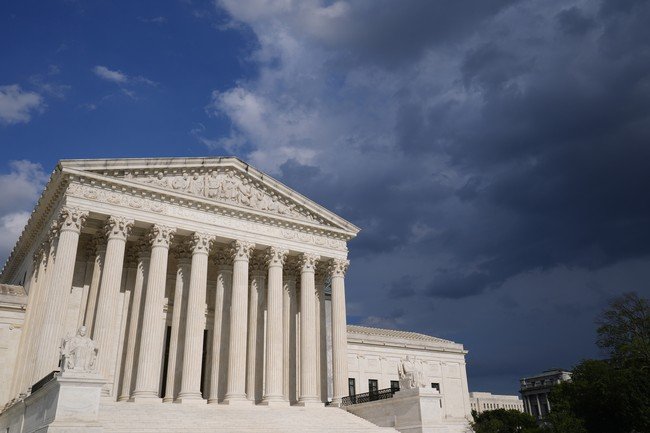
lawfare against Trump is one of those topics that gets noisy fast. This guide keeps it plain: what it means, why conservatives care, and what readers should watch next.
What People Mean by Lawfare
Lawfare means using courts, prosecutors, investigations, or legal process as political weapons. The word gets thrown around a lot, so it should be used carefully. Not every case against a politician is lawfare. But legal power becomes suspect when timing, venue, charges, leaks, and selective enforcement all point in one political direction.
Trump supporters use the word because they believe the legal system has been used to drain time, money, and attention from Trump and his allies. They see lawsuits and investigations as part of the political fight, not a clean search for justice.
The Fair Question
The fair question is not whether Trump should be above the law. He should not be. The fair question is whether the same law is being applied the same way to everyone. Equal treatment is the heart of justice.
If a prosecutor would never bring the same theory against a Democrat, voters have a right to ask what is really happening. If a case appears only after a campaign begins, voters have a right to ask about timing.
Why Process Matters
Process matters because power can hide behind legal language. A weak case can still punish someone through legal bills and headlines. A leak can shape public opinion before evidence is tested. A gag order can affect politics while pretending to be routine courtroom management.
That does not mean every judge or prosecutor is corrupt. It means citizens should watch the process closely. The system deserves respect when it acts fairly and scrutiny when it looks political.
What To Watch
Watch whether charges are novel or commonly used. Watch whether similar conduct by other people was handled differently. Watch the calendar. Watch the venue. Watch appeals. Most of all, watch whether the legal theory makes sense outside the political heat of the moment.
Good analysis does not require blind loyalty. It requires a standard that would still make sense if the parties were reversed.
Bottom Line
Lawfare is a serious charge, and it should be backed by serious evidence. But conservatives are right to ask whether legal power is being applied evenly. A country cannot stay free if justice becomes campaign strategy.
Reader Checklist
- Look for the decision-maker, not just the loudest reaction.
- Separate confirmed facts from opinion and campaign spin.
- Ask who benefits if the public stays confused.
- Watch what changes after the headline fades.
Why This Stays Relevant
lawfare against Trump keeps coming back because it connects policy to daily life. The details may change from one news cycle to the next, but the test stays the same. Does the policy make the country stronger, safer, freer, and more honest with its own citizens?
That is the standard TruthTent uses in these guides. We are not trying to bury readers in jargon. We are trying to make the fight understandable enough that normal people can follow it and push back when the story gets twisted.
How Readers Can Use This
A good way to read any political story is to slow down for one minute and ask what is being measured. Is the story about a law, a court order, a campaign promise, a budget number, or a public statement? Once you know that, the noise gets easier to sort.
Also ask what would count as proof. A serious claim should be backed by a document, a vote, a direct quote, a public record, or a result people can see. That standard protects readers from lazy spin, even when the spin comes from their own side.
For TruthTent readers, the point of a guide like this is not to memorize talking points. It is to understand lawfare against Trump well enough to spot weak arguments, ask better questions, and follow the next headline with more confidence.
Questions Worth Asking
Before sharing a story on this topic, ask whether the article names the person or office responsible for the decision. Politics gets blurry when responsibility is spread across a crowd. A useful report should help readers see who acted, who objected, and who has the power to change the result.
Next, ask whether the article gives enough timeline. Dates matter. A claim made before a vote, after a court ruling, or during a campaign push can mean different things. A clear timeline helps readers avoid falling for a headline that leaves out the most important sequence of events.
Finally, ask what a normal citizen is supposed to do with the information. Some stories are worth tracking because they affect votes, laws, prices, safety, schools, or speech. Other stories are mostly noise. The trick is knowing the difference before the next outrage cycle starts.
A Common Mistake
The common mistake is treating every political story like a team sport box score. One side cheers, the other side complains, and the reader is left with almost nothing useful. That is not enough. A better article should help people understand the rule, the decision, the tradeoff, and the likely next move.
That matters because most political fights do not end when the first headline appears. They move into lawsuits, agency rules, campaign ads, committee votes, state action, or budget language. Readers who know the basics can follow that next stage without being pushed around by whatever phrase is trending that hour.